
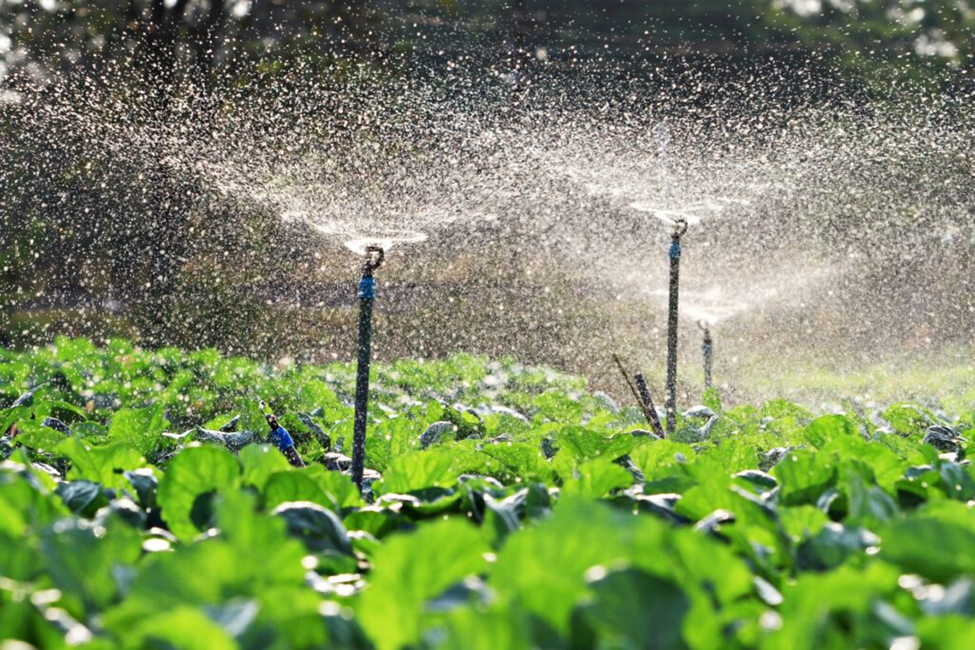
Efficient irrigation is essential for maintaining productivity in large agricultural fields, and sprinkler systems are one of the most widely used solutions for achieving uniform water distribution. A well-planned system ensures that crops receive adequate moisture while minimising water waste and operational inefficiencies. Understanding the principles of sprinkler irrigation design for farms is the first step toward building a reliable irrigation infrastructure.
Sprinkler irrigation systems work by distributing water through pressurised pipes and releasing it via sprinkler heads that simulate rainfall. These systems are suitable for a wide range of crops and field conditions, making them a flexible option for large-scale farming. Proper design and planning are critical to ensure that the system delivers consistent coverage and operates efficiently across the entire field.
Understanding Sprinkler Irrigation System Components
A sprinkler irrigation system consists of multiple components that work together to distribute water evenly across agricultural land. Each component plays a specific role in maintaining flow, pressure, and coverage. A clear understanding of these elements is necessary before designing or installing a system.
The primary components include:
- Water source and pumping units
- Distribution pipelines and mainlines
- Lateral pipes that carry water to sprinkler heads
- Sprinkler heads and nozzles for water dispersion
- Valves and control systems for regulation
- Pressure regulators and monitoring gauges
The pumping system is responsible for maintaining the required pressure throughout the network. For consistent performance, selecting the right irrigation pump system in Lancashire is essential to match the demands of the irrigation layout.
Sprinkler heads are designed to distribute water in specific patterns, ensuring that the entire field receives adequate coverage. Valves and control systems allow operators to manage different sections of the system efficiently. Proper integration of all components ensures a balanced and effective irrigation system.
Planning Sprinkler Irrigation Design for Farms
Planning is the foundation of any successful sprinkler irrigation system. A well-structured design takes into account various factors such as field size, crop type, soil characteristics, and water availability. Proper planning ensures that the system meets operational requirements while maintaining efficiency.
Designing a sprinkler irrigation system involves analysing multiple parameters to determine the best layout. This includes identifying irrigation zones, calculating water requirements, and selecting appropriate equipment. A systematic approach helps avoid inefficiencies and ensures that the system operates as intended.
Key planning considerations include:
- Field dimensions and topography
- Crop water requirements and spacing
- Soil type and infiltration rate
- Water source capacity and pressure availability
- Division of the field into irrigation zones
Creating a detailed irrigation layout is essential for ensuring uniform water distribution. Each zone should be designed to operate independently, allowing for better control and management. Proper planning also helps in optimising system performance and reducing water consumption.
Irrigation Zoning in Large Agricultural Fields
Irrigation zoning is a critical aspect of sprinkler system design, especially for large agricultural fields. It involves dividing the field into smaller sections that can be irrigated separately. This approach allows for better control over water distribution and system performance.
Zoning helps manage variations in field conditions and ensures that each section receives the appropriate amount of water. It also reduces pressure fluctuations and improves system efficiency. By dividing the system into zones, operators can schedule irrigation cycles more effectively.
Important factors influencing zoning include:
- Field size and shape
- Water pressure and flow capacity
- Crop type and water requirements
- Distance from the water source
- Elevation changes within the field
Effective zoning improves operational flexibility and allows for targeted irrigation. Each zone can be controlled independently using valves and controllers, ensuring that water is distributed according to specific needs. This approach enhances overall system efficiency and reduces unnecessary water usage.
Sprinkler Spacing and Layout Design
Sprinkler spacing is one of the most important elements in system design, as it directly affects water distribution uniformity. Proper spacing ensures that all areas of the field receive adequate coverage without overwatering or leaving dry spots. The layout must be carefully planned to achieve optimal overlap between sprinkler patterns.
Spacing depends on several factors such as sprinkler type, nozzle size, pressure, and field conditions. A well designed layout ensures that water is distributed evenly across the entire field. Incorrect spacing can lead to inefficiencies and inconsistent irrigation.
Key considerations for spacing include:
- Maintaining uniform overlap between sprinkler coverage areas
- Aligning sprinklers in grid or triangular patterns
- Adjusting spacing based on pressure and flow rate
- Accounting for wind conditions and field layout
- Ensuring consistent application rates across zones
Proper layout design improves system performance and ensures that crops receive uniform irrigation. It also helps in minimising water wastage and improving overall efficiency. Careful planning of spacing and layout is essential for achieving a balanced irrigation system.
Designing Large Area Irrigation Sprinklers
Large agricultural fields require sprinkler systems that can cover extensive areas efficiently. Selecting the right sprinkler type and configuration is essential for achieving uniform water distribution. These systems must be designed to handle varying field conditions while maintaining consistent performance.
Large area irrigation sprinklers are typically chosen based on their coverage radius, pressure requirements, and distribution patterns. The design must ensure that each sprinkler operates within its optimal range to achieve maximum efficiency.
Key aspects of designing large area systems include:
- Selecting appropriate sprinkler heads based on coverage area
- Matching sprinkler performance with pump capacity
- Ensuring consistent pressure across the system
- Configuring sprinklers for uniform overlap
- Adapting design to field shape and terrain
Sprinkler selection plays a crucial role in system efficiency. Different sprinkler types are designed for specific applications, and choosing the right one ensures optimal performance. Proper integration with pumps and pipelines is also necessary to maintain consistent water flow across the entire system.
Step-by-Step Sprinkler System Installation Planning
Installation planning is a critical phase that ensures the sprinkler system is implemented correctly. A structured approach helps in organizing components and aligning them according to the design layout. Proper installation reduces the risk of errors and ensures that the system operates efficiently.
The installation process typically involves several stages:
- Preparing the field and marking the layout
- Installing mainlines and distribution pipelines
- Setting up lateral pipes across the field
- Installing sprinkler heads at designated points
- Connecting valves and control systems
- Testing the system for leaks and pressure balance
Each step must be carried out carefully to maintain system integrity. Pipes should be laid according to the design plan, and sprinkler heads must be positioned accurately to ensure uniform coverage. Once installation is complete, the system should be tested thoroughly to verify performance.
Regular checks during installation help identify potential issues early. Adjustments can be made to ensure proper alignment and pressure distribution. A well executed installation process contributes to long-term reliability and efficiency.
Common Mistakes in Sprinkler Irrigation Design
Errors in sprinkler irrigation design can significantly impact system performance. These mistakes often lead to uneven water distribution, increased costs, and reduced efficiency. Identifying common pitfalls helps in avoiding them during the planning and installation stages.
Some common mistakes include:
- Incorrect system sizing based on inaccurate calculations
- Poor zoning strategies that affect pressure balance
- Improper sprinkler spacing leading to uneven coverage
- Ignoring pressure requirements across the system
- Lack of maintenance planning after installation
System sizing must be aligned with water demand and available resources. If the system is not properly sized, it may fail to deliver adequate water to all areas. Zoning and spacing must also be carefully planned to ensure uniform distribution.
Another common issue is neglecting maintenance. Regular inspection and servicing are essential for maintaining system efficiency. Proper planning and execution help avoid these mistakes and ensure optimal system performance.
Benefits of Well Designed Sprinkler Irrigation Systems
A well designed sprinkler irrigation system offers several advantages that enhance agricultural productivity and resource management. It ensures that water is distributed evenly across the field, supporting healthy crop growth and efficient operations. Proper design also reduces waste and improves system reliability.
Key benefits include:
- Uniform water distribution across large fields
- Improved crop growth and yield consistency
- Reduced labour requirements through automation
- Efficient use of water resources
- Scalability for expanding agricultural operations
Sprinkler systems are highly adaptable and can be customised to suit different field conditions. They allow for flexible operation and can be integrated with modern control systems for improved efficiency. Proper design ensures that these benefits are fully realised.
In addition, sprinkler systems can be combined with advanced monitoring tools to enhance performance. This allows farmers to manage irrigation more effectively and make informed decisions based on system data. A well implemented system provides long-term value and operational stability.
Contacting a Professional Irrigation Provider
Designing and installing a sprinkler irrigation system requires technical expertise and careful planning. Consulting with experienced professionals can help ensure that the system is designed according to best practices and tailored to specific requirements.
For expert assistance and guidance on irrigation systems, you can contact Sitetech Irrigation Ltd. Working with a professional irrigation service provider ensures that your system is planned, designed, and implemented with precision and efficiency.
Conclusion
Sprinkler irrigation system design for farms is a structured process that involves careful planning, proper component selection, and precise installation. Each stage, from zoning and spacing to system layout and installation, plays a critical role in ensuring efficient water distribution across large agricultural fields.
By focusing on key design principles such as irrigation zoning, sprinkler spacing, and system sizing, farmers can achieve consistent performance and improved productivity. A well designed system not only conserves water but also enhances crop health and operational efficiency. With proper planning and professional support, sprinkler irrigation systems can provide a reliable and scalable solution for modern agriculture.
FAQs
- What is sprinkler irrigation design for farms?
It is the process of planning and configuring a sprinkler system to distribute water evenly across agricultural fields. It involves layout design, zoning, spacing, and selecting appropriate components. - Why is zoning important in sprinkler irrigation systems?
Zoning helps divide large fields into manageable sections, allowing better control over water distribution and pressure. It improves efficiency and ensures each area receives adequate irrigation. - How is sprinkler spacing determined?
Sprinkler spacing is determined based on factors such as sprinkler type, pressure, flow rate, and field conditions. Proper spacing ensures uniform water coverage and prevents dry spots. - What components are required for a sprinkler irrigation system?
Key components include a water source, pump system, pipelines, sprinkler heads, valves, pressure regulators, and control systems. Each component plays a role in maintaining system performance. - How can sprinkler irrigation systems improve farm efficiency?
They improve efficiency by providing uniform water distribution, reducing labour requirements, optimising water usage, and enabling better control through zoning and automation.