
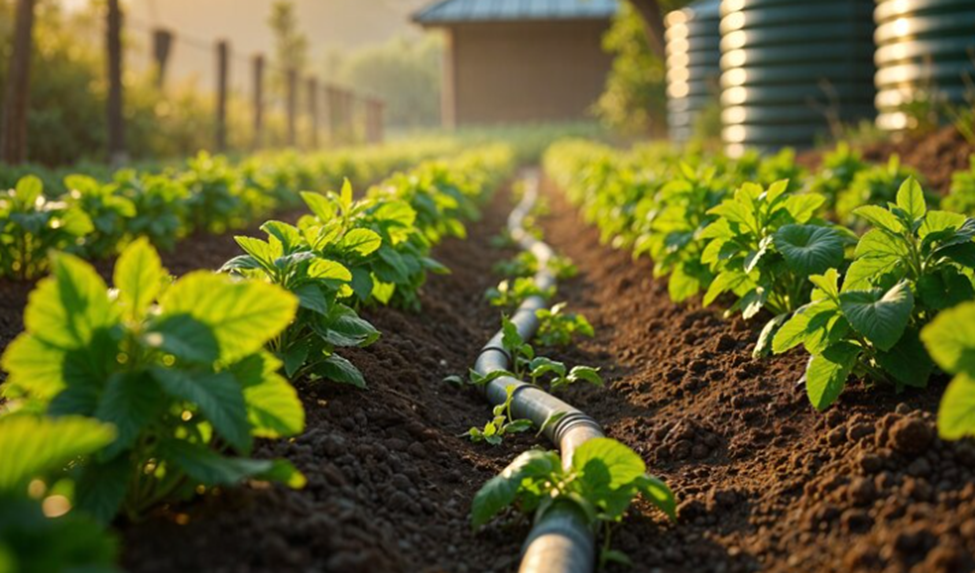
Modern agriculture increasingly depends on efficient water management, and drip irrigation plays a major role in achieving this goal. A well-planned system delivers water directly to the root zone, reducing waste and improving crop health. Understanding the principles behind drip irrigation system design and installation is essential for farmers and greenhouse growers who want consistent results and optimised resource use.
Drip irrigation is widely used because it supports precision watering and controlled distribution. It allows growers to manage irrigation schedules more effectively while maintaining uniform moisture levels. This method is especially valuable in environments where water conservation and efficiency are priorities. By designing the system correctly from the start, users can avoid inefficiencies and ensure long-term performance.
Understanding Drip Irrigation System Components
A drip irrigation system consists of several interconnected components that work together to deliver water efficiently. Each part has a specific role in maintaining flow, pressure, and distribution. Understanding these components is important before beginning the installation process.
The main components include:
- Water source and filtration units
- Mainlines and sub-mainlines for distribution
- Drip lines or tubing for delivery
- Emitters that control water release
- Pressure regulators and control valves
Filtration units are essential to prevent clogging, especially when using natural water sources. Mainlines transport water from the source to different zones, while drip lines distribute it across the field. Emitters regulate the flow rate, ensuring consistent delivery to each plant. Pressure regulators maintain optimal system performance by controlling water pressure throughout the network.
Planning a Drip Irrigation System Design
Effective irrigation planning begins with a detailed assessment of the land and crop requirements. Proper planning ensures that the system is tailored to meet specific agricultural needs while maximising efficiency. This stage is critical in achieving a balanced and functional design.
When designing a system, several factors must be evaluated carefully. These include soil characteristics, water availability, crop type, and field layout. A structured approach helps in determining the number of irrigation zones and the placement of components. Proper irrigation layout design ensures even distribution and minimises water loss.
Key planning considerations include:
- Land size and shape
- Crop spacing and water requirements
- Soil type and absorption rate
- Water source capacity and pressure
- Zoning for efficient irrigation control
Accurate calculations of flow rate and pressure are also essential. These determine the size of pipes, emitters, and valves required for the system. Proper planning reduces installation errors and ensures the system operates efficiently from the beginning.
Step-by-Step Drip Irrigation Installation Process
Installing a drip irrigation system involves a structured process that ensures all components function correctly. Each step must be carried out with attention to detail to avoid future issues. A systematic installation approach contributes to long-term reliability and performance.
The installation process generally includes:
- Preparing the site and marking the layout
- Setting up the water supply and filtration system
- Installing mainlines and sub-mainlines
- Laying drip lines across designated areas
- Connecting emitters and fittings
- Testing the system for leaks and pressure balance
During preparation, the layout is marked based on the irrigation design plan. The water supply system is then connected to filtration units to ensure clean water flow. Mainlines are installed first, followed by sub-lines that distribute water to different zones.
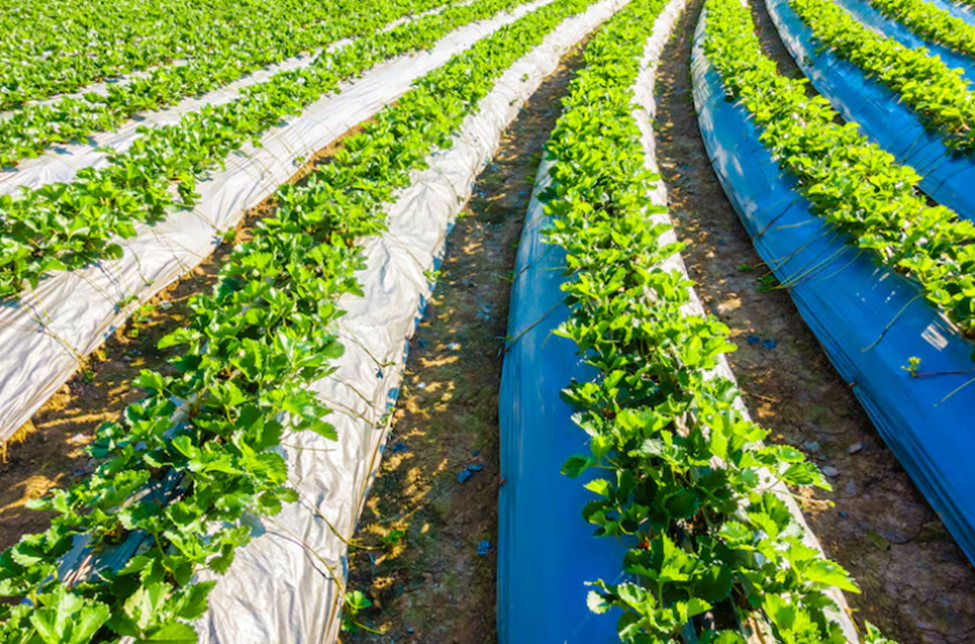
Drip lines are laid along crop rows, ensuring proper alignment and spacing. Emitters are attached at calculated intervals to maintain uniform water delivery. Once installation is complete, the system is tested thoroughly to identify any leaks or inconsistencies. Adjustments are made to ensure balanced pressure and optimal performance.
Drip Line Installation Best Practices
Proper drip line installation is essential for achieving efficient irrigation and avoiding operational issues. Careful handling during installation helps maintain system integrity and ensures uniform water distribution. Following best practices reduces maintenance requirements and extends system lifespan.
Important practices include:
- Maintaining consistent spacing between drip lines
- Ensuring correct alignment along crop rows
- Avoiding sharp bends or kinks in tubing
- Securing lines to prevent movement or displacement
- Regularly checking for leaks during setup
Clogging is a common issue in drip irrigation systems, and it can be minimised through proper filtration and maintenance. Installing filters at the water source helps prevent debris from entering the system. It is also important to flush the system periodically to remove any accumulated particles.
Uniform water distribution depends on proper installation and pressure balance. Uneven spacing or incorrect installation can lead to inconsistent irrigation, which affects crop performance. Careful planning and execution help maintain system efficiency.
Role of Emitters in Drip Irrigation
Emitters are a critical component of drip irrigation systems because they control the rate at which water is delivered to plants. Selecting the right emitters ensures that each plant receives an adequate and consistent amount of water. Emitters come in different types and flow rates depending on system requirements.
Emitters can be categorised based on their design and functionality:
- Pressure compensating emitters
- Non pressure compensating emitters
- Adjustable flow emitters
- Inline and online emitters
Each type serves a specific purpose depending on the application. Pressure compensating emitters are designed to maintain a consistent flow rate even when pressure varies. This is useful for maintaining uniform irrigation across large or uneven areas.
Emitter placement is also important for system efficiency. They must be positioned close to the root zone to ensure effective water delivery. Choosing the correct emitter type and spacing improves water usage and supports healthy crop growth.
Irrigation Planning and System optimisation
Irrigation planning does not end with installation. Ongoing optimisation is necessary to ensure that the system continues to perform efficiently. Monitoring and adjusting irrigation schedules based on crop needs and environmental conditions is an important part of system management.
Key aspects of irrigation planning include:
- Scheduling irrigation cycles based on crop requirements
- Monitoring soil moisture levels regularly
- Adjusting water flow according to growth stages
- Using timers or controllers for automation
- Integrating sensors for real-time data collection
Automation plays a significant role in modern irrigation systems. By using timers and controllers, farmers can regulate watering schedules without manual intervention. This improves efficiency and reduces labour requirements.
For farms requiring alternative solutions, large area irrigation sprinklers may also be considered depending on crop type and field conditions. However, drip irrigation remains the preferred choice for precision watering and water conservation.
Common Mistakes in Drip Irrigation System Setup
Mistakes during installation or planning can reduce the effectiveness of a drip irrigation system. Identifying and avoiding these errors is essential for achieving optimal performance. Proper attention to detail during setup helps prevent long-term issues.
Common mistakes include:
- Incorrect system sizing based on inaccurate calculations
- Poor filtration leading to clogging problems
- Choosing unsuitable emitters for crop requirements
- Ignoring pressure regulation across the system
- Lack of maintenance planning after installation
System sizing must match the water demand of the crops and the capacity of the water source. If the system is undersized or oversized, it can lead to inefficiencies. Filtration is equally important, as unfiltered water can block emitters and disrupt water flow.
Regular maintenance is often overlooked but plays a key role in system performance. Periodic inspections and cleaning help maintain efficiency and extend the lifespan of the irrigation setup.
Benefits of Proper Drip Irrigation Installation
A properly installed drip irrigation system provides numerous advantages that improve agricultural productivity and resource management. It ensures that water is delivered efficiently and consistently, which is essential for crop development. Well designed systems also reduce waste and operational costs.
Key benefits include:
- Efficient water usage through targeted delivery
- Improved crop yield and quality
- Reduced labour requirements due to automation
- Better control over irrigation scheduling
- Enhanced nutrient delivery through fertigation
Drip irrigation also supports sustainable farming practices by minimising water runoff and evaporation. This makes it an environmentally responsible choice for modern agriculture. Proper installation ensures that these benefits are fully realised.
Another advantage is the ability to integrate the system with automation tools. This allows for remote monitoring and control, improving convenience and operational efficiency. When installed correctly, drip irrigation systems provide consistent performance over time.
Contacting a Professional Irrigation Provider
For farmers and greenhouse operators looking to implement or upgrade their irrigation systems, professional guidance can be highly beneficial. Consulting with experts ensures that the system is designed and installed according to best practices and specific requirements.
To discuss your irrigation needs and explore suitable solutions, you can contact Sitetech Irrigation Ltd. Professional consultation helps in selecting the right system components and planning an efficient irrigation layout tailored to your operation.
Conclusion
Drip irrigation system design and installation requires careful planning, proper component selection, and precise execution. From understanding system components to implementing best practices during installation, each step plays a crucial role in ensuring efficiency and reliability. A well designed system supports water conservation, improves crop performance, and reduces operational costs.
By focusing on proper irrigation planning, correct emitter selection, and regular maintenance, users can achieve long-term success with their irrigation systems. Whether used in agriculture or greenhouse environments, drip irrigation remains one of the most efficient methods of water delivery. Working with experienced providers such as Sitetech Irrigation Ltd helps ensure that systems are designed and installed to meet modern agricultural demands.
FAQs
- What is drip irrigation system design and installation?
It refers to the process of planning, designing, and setting up a drip irrigation system that delivers water directly to plant roots through a network of pipes, emitters, and control components. - Why is drip irrigation important in agriculture?
Drip irrigation helps conserve water, improve crop health, and ensure efficient nutrient delivery by providing controlled and targeted watering to plants. - What are the main components of a drip irrigation system?
The main components include water source, filtration units, mainlines, drip lines, emitters, pressure regulators, and control valves. - How do emitters work in a drip irrigation system?
Emitters regulate the flow of water and release it slowly at the plant root zone, ensuring consistent and efficient water delivery. - What are common mistakes in drip irrigation installation?
Common mistakes include improper system sizing, poor filtration, incorrect emitter selection, lack of pressure regulation, and insufficient maintenance planning.