
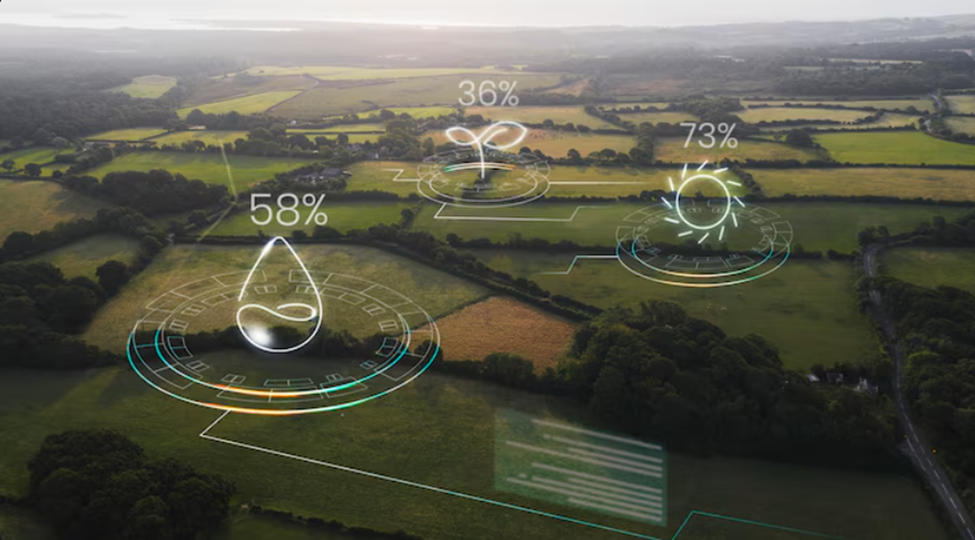
Smart farming is rapidly reshaping modern agriculture by integrating digital tools, automation, and data-driven systems into everyday farm operations. With increasing pressure on resources, climate variability, and the need for higher efficiency, farmers across the UK are turning to advanced technologies to optimise production and reduce waste. The concept of smart farming technology is centred around using connected systems that improve decision-making and automate key processes.
The rise of digital farming solutions has made it easier to monitor crops, manage irrigation, and control equipment remotely. This transformation is not limited to large-scale operations, as many medium and small farms are also adopting these technologies. The goal is to improve productivity while maintaining sustainability and reducing operational costs. Smart farming combines innovation with practicality, making agriculture more efficient and predictable.
What Is Smart Farming Technology?
Smart farming technology refers to the use of digital systems, sensors, connectivity, and automation to enhance agricultural practices. It enables farmers to collect real-time data, analyse conditions, and make informed decisions that improve overall farm management. This approach replaces traditional methods with precision-based techniques that focus on accuracy and efficiency.
At its core, smart farming integrates multiple technologies working together. These systems communicate through networks, often using IoT devices to transmit data between machines and platforms. This allows farmers to monitor soil conditions, weather patterns, and crop health without constant manual checks. The result is a more controlled and responsive farming environment.
Key components of smart farming include:
- Sensors for monitoring soil moisture, temperature, and nutrients
- IoT devices for real-time communication and automation
- Data analytics platforms for interpreting farm data
- Automated machinery for tasks such as irrigation and harvesting
- Cloud-based systems for remote access and control
Key Technologies Driving Smart Farming in the UK
Several technologies are playing a major role in the adoption of smart farming across the UK. These tools help farmers improve efficiency, reduce resource consumption, and maintain consistent crop quality. Among the most important advancements are precision agriculture systems and automated irrigation solutions.
Precision agriculture focuses on managing variations within fields by using detailed data to guide farming decisions. Smart irrigation systems ensure that water is delivered exactly where and when it is needed. Automated irrigation UK solutions further enhance this process by allowing systems to operate with minimal human intervention.
Additional technologies include:
- GPS-based equipment for accurate field mapping
- Drones for aerial monitoring and crop analysis
- Soil sensors for continuous environmental tracking
- Farm management software for centralised control
- Weather monitoring systems for predictive insights
These tools work together to create an integrated ecosystem that supports better planning and execution of farming activities. By combining hardware and software, farmers can achieve higher levels of precision and control.
How IoT Is Revolutionizing Farming Practices
The Internet of Things (IoT) has become a fundamental part of smart farming technology. IoT devices connect various components of a farm, allowing them to communicate and share data in real-time. This connectivity enables farmers to monitor and manage operations remotely, reducing the need for constant physical presence.
IoT systems are particularly valuable for tracking environmental conditions and automating processes. Data collected from sensors is transmitted to centralised platforms where it can be analysed and used to trigger actions. This helps in maintaining optimal conditions for crop growth and resource management.
Key benefits of IoT in farming include:
- Real-time monitoring of soil and crop conditions
- Remote access to farm equipment and systems
- Automated alerts for anomalies or changes
- Improved coordination between different farm processes
- Enhanced data collection for long-term analysis
IoT technology supports precision agriculture by ensuring that every action is based on accurate and timely information. This reduces inefficiencies and helps farmers respond quickly to changing conditions.
Role of Smart Irrigation Systems in Agriculture
Water management is a critical aspect of modern agriculture, and smart irrigation systems play a significant role in optimising water usage. These systems use sensors, timers, and automation to deliver water precisely where it is needed. This reduces waste and ensures that crops receive consistent hydration.
Smart irrigation systems are designed to adapt to environmental conditions. By using real-time data, they can adjust watering schedules based on soil moisture levels and weather forecasts. This dynamic approach improves efficiency and supports sustainable farming practices.
For efficient water distribution, agriculture drip irrigation is widely used in precision farming setups. This method delivers water directly to the root zone, minimising evaporation and runoff.
Benefits of smart irrigation include:
- Reduced water consumption through targeted delivery
- Improved crop health due to consistent moisture levels
- Lower operational costs from optimised usage
- Automation of watering schedules
- Integration with IoT-based monitoring systems
Smart irrigation systems are essential for farms aiming to improve sustainability while maintaining productivity. They represent a key component of digital farming solutions.
Benefits of Smart Farming Technology
Smart farming offers numerous advantages that contribute to improved agricultural performance. By combining automation, data analytics, and connected devices, farmers can achieve better control over their operations. These benefits extend across productivity, cost efficiency, and sustainability.
Some of the major benefits include:
- Increased productivity through optimised processes
- Reduced labour requirements due to automation
- Better resource utilisation including water and fertilisers
- Improved accuracy in farming decisions
- Enhanced monitoring and control of farm activities
Another important benefit is the ability to make data-driven decisions. With access to real-time insights, farmers can adjust strategies quickly and efficiently. This reduces uncertainty and helps in planning operations more effectively.
Smart farming also supports environmental sustainability. By minimising resource waste and improving efficiency, it helps reduce the environmental impact of agricultural activities. This aligns with the growing demand for responsible and sustainable farming practices.
Challenges in Adopting Smart Farming Solutions
Despite its advantages, adopting smart farming technology comes with certain challenges. These challenges can affect the pace at which farmers transition to digital systems. Understanding these limitations helps in planning a smoother implementation process.
Some common challenges include:
- High initial investment required for technology setup
- Need for technical knowledge and training
- Integration with existing farming systems
- Dependence on reliable internet connectivity
- Maintenance and updates of digital systems
The cost of implementing smart farming solutions can be significant, especially for smaller farms. However, the long-term benefits often outweigh the initial investment. Proper planning and phased adoption can help manage costs effectively.
Another challenge is the need for technical expertise. Farmers must understand how to operate and maintain digital systems, which may require training or external support. Over time, as familiarity increases, these challenges become easier to manage.
Role of Smart Irrigation in Greenhouse and Controlled Environments
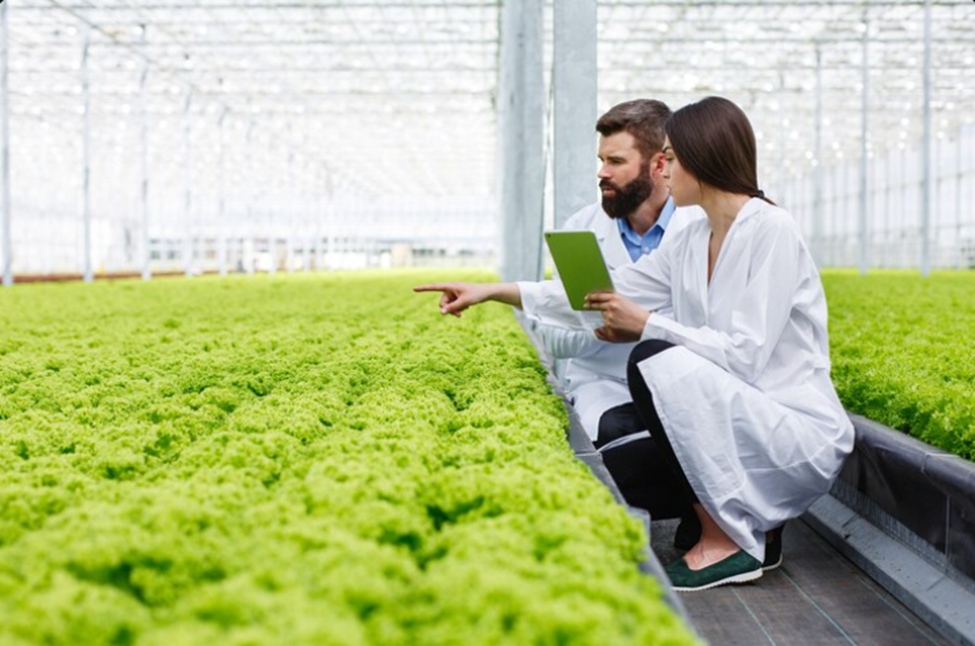
In controlled environments such as greenhouses, irrigation plays a crucial role in maintaining optimal growing conditions. Smart irrigation systems designed for these settings provide precise control over water distribution. This ensures that crops receive consistent hydration without excess usage.
greenhouse overhead sprinkler system solutions are often used to provide uniform coverage in enclosed farming environments. These systems can be automated and integrated with sensors to adjust watering based on environmental conditions.
Key advantages of smart irrigation in controlled environments include:
- Consistent water distribution across crops
- Reduced manual intervention
- Integration with climate control systems
- Efficient use of water resources
- Improved crop quality and growth consistency
Smart irrigation enhances the efficiency of greenhouse farming by maintaining balance between water supply and environmental conditions. This contributes to better overall crop management.
Future of Smart Farming in the UK
The future of agriculture in the UK is closely linked to continued advancements in digital farming solutions. As technology evolves, farms are expected to become more automated, connected, and data-driven. Innovations in artificial intelligence, machine learning, and robotics will further enhance farming capabilities.
Future developments are likely to include:
- Increased use of AI for predictive analytics
- Expansion of fully automated farm systems
- Greater integration of IoT devices across farms
- Improved accessibility of digital tools for farmers
- Enhanced sustainability through efficient resource management
These advancements will continue to transform how farms operate, making agriculture more efficient and resilient. Adoption of smart farming technologies is expected to grow as more farmers recognize the benefits of digital transformation.
How Farmers Can Get Started with Smart Farming
Adopting smart farming technology requires careful planning and a clear understanding of farm requirements. Farmers should begin by assessing their current operations and identifying areas where technology can add value. This helps in selecting the right solutions that align with their goals.
Steps to get started include:
- Evaluating current farm processes and challenges
- Identifying suitable technologies for specific needs
- Consulting with agritech providers for guidance
- Implementing systems in phases for better adaptation
- Training staff to use digital tools effectively
Working with experienced providers ensures that the transition to smart farming is smooth and efficient. For further assistance and consultation, farmers can contact Sitetech Irrigation Ltd to explore suitable irrigation and automation solutions tailored to their requirements.
Conclusion
Smart farming technology is transforming agriculture in the UK by introducing automation, data-driven decision-making, and connected systems into everyday farming operations. These advancements improve efficiency, reduce resource usage, and enhance productivity across different types of farms. Technologies such as IoT, precision agriculture, and smart irrigation systems are at the core of this transformation.
While challenges exist, the long-term benefits of adopting digital farming solutions make them a valuable investment for modern agriculture. As the industry continues to evolve, smart farming will play an increasingly important role in shaping the future of food production. Farmers who embrace these technologies are better positioned to achieve sustainable growth and operational efficiency.
FAQs
- What is smart farming technology?
Smart farming technology refers to the use of digital tools, sensors, automation, and data analytics to improve agricultural practices. It helps farmers monitor, manage, and optimise farm operations more efficiently. - How does IoT help in smart farming?
IoT connects devices and sensors across a farm, enabling real-time data collection and communication. This allows farmers to monitor conditions remotely and automate various processes. - What are smart irrigation systems?
Smart irrigation systems use sensors and automation to control water distribution based on environmental conditions. They help reduce water waste and improve crop health. - Is smart farming suitable for small farms?
Yes, smart farming can be adapted for farms of all sizes. Small farms can adopt scalable solutions that fit their budget and operational needs while still benefiting from improved efficiency. - What are the main challenges of adopting smart farming?
The main challenges include high initial costs, need for technical knowledge, integration with existing systems, and dependency on reliable connectivity. However, these can be managed with proper planning and support.