
Water pump systems for irrigation ensures consistent water movement, stable pressure, and dependable performance for farms, greenhouses, and large irrigation networks — part of the complete range of irrigation systems we design and install across Lancashire and the UK.
"*" indicates required fields
Efficient irrigation begins with dependable water delivery. A professionally configured irrigation water pump system maintains steady flow rates, prevents pressure loss, and ensures water reaches every section of your irrigation network. By matching pump capacity to site conditions, crops receive reliable moisture while energy use remains controlled, supporting productivity and long-term operational efficiency.
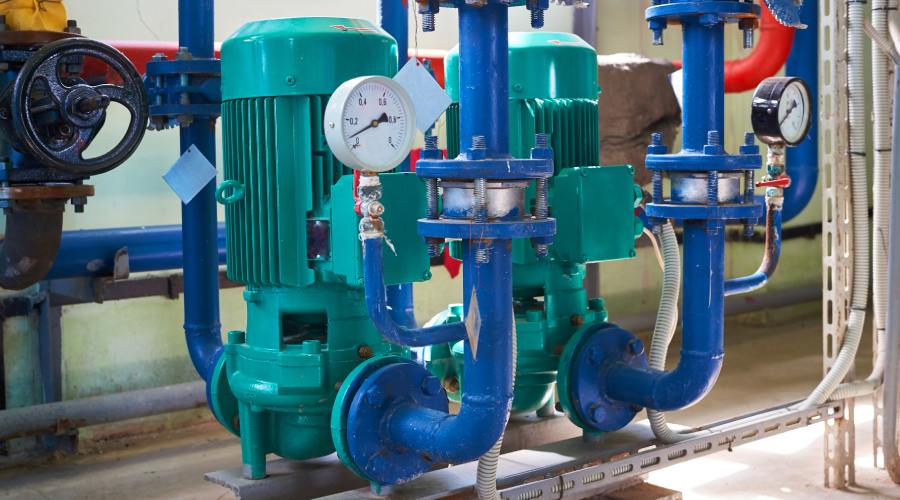

Each pump for irrigation system is chosen based on water source, distance, elevation, and required flow rate.
We engineer layouts that balance pressure, efficiency, and durability for reliable daily operation.
Systems can be paired with a smart irrigation controller in Lancashire to automate schedules and manage water usage precisely.
Our team ensures your water pump system continues operating efficiently as demands evolve.
Pump size depends on the area you’re covering, the water source, pipe run length and how much pressure your system needs at the far end — not just land size alone. We calculate this during the site visit using your actual layout and demand, rather than a rule of thumb, so the pump is neither undersized nor running inefficiently oversized.
Solar-powered pumping can cut running costs on sites with limited or expensive grid access — remote fields, satellite sites, or locations where a mains connection isn’t practical. It suits steady, moderate demand well; UK daylight and weather are variable enough that solar alone isn’t right for every application, so we usually design it as a hybrid — solar as the primary source, with battery storage or a mains connection to cover low-light periods and peak demand.
Pairing a solar pump with adequate water storage makes the system more resilient — water pumped during good sunlight hours is held in reserve rather than needed on demand. We size the pump, panels and storage together during the site visit, based on your actual water source and usage.
Our smart irrigation control systems are built to support modern irrigation demands, combining performance with automation readiness.
These features help reduce manual oversight, improve consistency, and extend system lifespan.


This solution supports a wide range of agricultural and horticultural environments, including greenhouse and glasshouse irrigation, where dependable water delivery is critical.
Every setup benefits from precise pump selection and professional integration.
Decades of industry experience mean our systems are designed to perform efficiently and reliably under any conditions.
Each system is designed around your irrigation layout, water source, and long-term goals.
We work with automatic water irrigation control system technology to deliver consistent output and reduced maintenance.
From planning to optimisation, we remain involved to ensure lasting system performance.
Looking to improve water delivery and system efficiency? Speak with our team about installing an irrigation water pump system in Lancashire that delivers reliable pressure, smarter control, and dependable long-term results.
We assess water source capacity, distance, elevation, daily usage patterns, and future expansion plans to ensure the selected pump delivers stable performance without unnecessary energy consumption or operational strain long-term.
Yes, we design systems with upgrade capability, allowing automation components to be integrated later without replacing pumps or pipework, keeping future improvements straightforward, cost-effective, and operationally efficient for growing operations.
Solar-powered options can support large farms when correctly sized, provided sunlight availability and storage requirements are considered carefully during planning to ensure consistent output during peak irrigation periods reliably.
Automation is optional. We recommend it when it adds measurable value, but systems can also operate manually depending on budget, operational preferences, and management approach chosen by the farm owner.
When correctly designed, systems maintain consistent pressure even during high-demand periods, ensuring uninterrupted water delivery across zones without performance drops or stress on components during extended irrigation cycles.
It coordinates pump operation with irrigation schedules, preventing unnecessary runtime, reducing energy use, and maintaining optimal pressure levels while ensuring water is delivered only when required by crops.
No. Controllers are configured for simplicity, allowing staff to manage schedules easily while relying on automated functions to handle timing, pressure control, and routine operational adjustments without constant supervision.
With correct sizing, quality components, and basic maintenance, pumps typically deliver reliable service for many years, providing consistent performance across multiple growing seasons without frequent repairs or replacements.
We combine local agricultural knowledge with proven engineering practices, ensuring pump systems are designed for actual field conditions rather than theoretical performance assumptions or generic manufacturer specifications.
Yes, we configure controls on-site, test operation thoroughly, and train operators so systems function correctly from day one and remain easy to manage independently afterward.
Water source, required flow rate, pipe length and diameter, elevation change across the site, and how many zones run at once all affect which pump suits your system. Getting this wrong means either wasted energy from an oversized pump or poor pressure from an undersized one — we size pumps against your actual site data, not estimates.
Yes — pumps can be linked to a smart irrigation controller so they start, stop and adjust output automatically based on schedules, sensor data or demand from the irrigation zones in use. This reduces manual intervention and energy waste compared with running a pump continuously or on a basic timer.
Automation lets pumps respond to actual system demand rather than running at a fixed rate regardless of need — cycling on for active zones, adjusting pressure, and shutting down when not required. Over time this reduces energy costs and wear, and it’s something we can add to an existing pump setup, not just a new installation.