
Choosing an irrigation pump depends on three main factors: how much water your system needs to move, how far and how high it needs to travel, and your power supply options. Getting these right before you buy prevents poor pressure, wasted energy, and costly reworks later.
An irrigation pump is one of the most important parts of any farm or greenhouse watering setup, yet it is often chosen last, after pipework and sprinklers have already been decided. In reality, the pump should be one of the first things you plan, because it determines how well the rest of the system performs.
What Affects Pump Selection
Before choosing a pump, it helps to understand the variables that influence which type will suit your site.
- Flow rate needed – how many litres per minute your crops, greenhouse beds, or livestock require.
- Pressure requirements – drip lines generally need lower pressure than overhead sprinklers, so a pump suited to one system may not suit another.
- Distance and elevation – the further water has to travel, and the more it has to rise, the more power the pump will need.
- Water source – whether you are pumping from a borehole, reservoir, mains supply, or a water storage tank changes which pump types are practical.
- Power availability – mains electricity, diesel, or solar power will all suit different farm layouts, particularly where fields are some distance from a power connection.
If your farm uses drip irrigation, pump choice is closely tied to system design, since drip lines are typically low pressure and benefit from a pump matched precisely to the number of lines and emitters in use.
Types of Irrigation Pumps
There is no single best pump for every farm. The right choice depends on your water source, system type, and site layout.
| Pump Type | Best Suited To | Considerations |
|---|---|---|
| Centrifugal pump | Surface water sources, general farm use | Efficient for moderate flow and pressure needs |
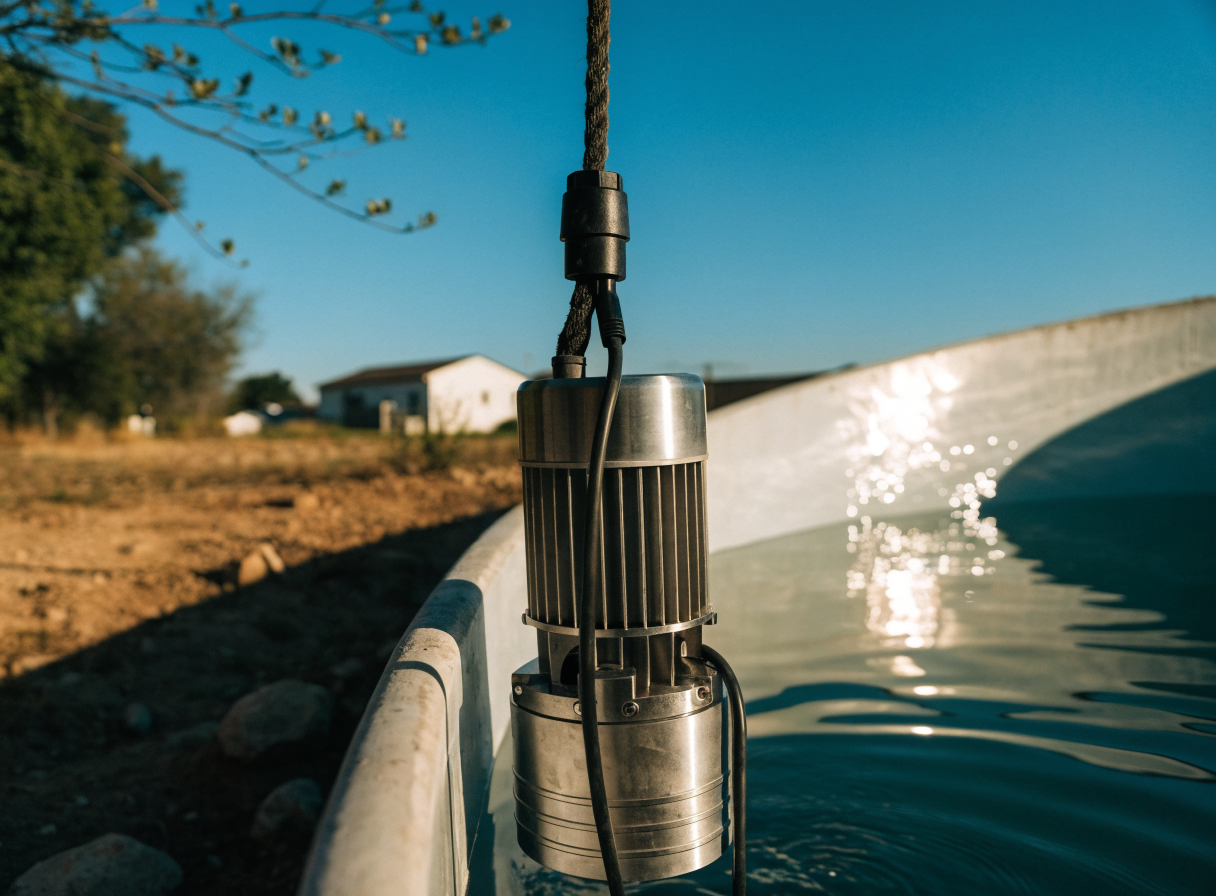
| Submersible pump | Boreholes and deep water storage tanks | Works well where the pump needs to sit below the water line |
| Solar-powered pump | Remote fields without mains power | Output depends on available sunlight and panel sizing |
| Diesel pump | Large farms needing high flow rates | Reliable where power supply is limited but requires fuel management |
Each of these can be paired with control systems, filters, and storage to suit the crop being grown and the layout of the land.
Matching Pump Output to Your System
A pump that is too powerful for a system can cause pressure damage to pipework and emitters, while one that is undersized will leave parts of a field or greenhouse under-watered. This is one of the most common issues we see when a pump has been chosen without reference to the wider irrigation system.
This is why pump selection should always sit alongside a properly designed system rather than being treated as an afterthought. Looking at flow, pressure, and layout together ensures water reaches every part of the site evenly, whether that is a single greenhouse bay or a multi-hectare field.
For growers already using drip irrigation, pump sizing needs particular care, since these systems rely on consistent low pressure rather than high volume.
Pump Maintenance and Common Signs of Wear
Regular checks help avoid unexpected downtime during the growing season. Signs that a pump may need attention include a noticeable drop in pressure, unusual noise during operation, or water reaching some areas of a field or greenhouse but not others. Sediment build-up in filters, worn seals, and loose electrical connections are common causes of reduced performance over time.
Farms drawing water from a reservoir or storage tank should also check that intake points are kept clear, as blockages here can reduce pump efficiency even when the pump itself is in good working order.
Working With the Right Setup for Your Site
Every farm has a different combination of water source, land layout, and crop type, which is why pump choice works best as part of a wider conversation about the whole system rather than a standalone decision. An irrigation system pump that is well matched to your storage, controls, and delivery method will run more efficiently and need less ongoing adjustment.
Frequently Asked Questions
Do I need a different pump for drip irrigation compared to sprinklers?
Often yes. Drip systems generally need lower, steadier pressure, while sprinkler systems typically require higher flow to cover a wider area evenly.
Can solar pumps power a whole farm irrigation system?
This depends on the size of the system and the amount of sunlight available at the site. Solar pumps suit some layouts well but may need to be combined with storage or a backup power source for larger areas.
How do I know what flow rate my irrigation system needs?
This is based on the number of sprinklers or drip lines in use, the area being covered, and how quickly you need water delivered across the site.
Should the pump be chosen before or after the rest of the irrigation system is designed?
Ideally, pump selection should be considered alongside the wider system design, not after pipework and delivery method have already been finalised.
Getting Pump Selection Right
Choosing the right irrigation pump comes down to understanding your water source, your crop’s needs, and how the rest of your system is laid out. Getting this right from the start helps avoid pressure problems and unnecessary running costs later on.
If you are planning a new setup or reviewing an existing one, Sitetech provides irrigation system design and installation for farms and growers across Lancashire and the North West, helping match pump choice to the site rather than the other way round.