
Water pump systems for irrigation ensures consistent water movement, stable pressure, and dependable performance for farms, greenhouses, and large irrigation networks — part of the complete range of irrigation systems we design and install across Lancashire and the UK.
"*" indicates required fields
Efficient irrigation begins with dependable water delivery. A professionally configured irrigation water pump system maintains steady flow rates, prevents pressure loss, and ensures water reaches every section of your irrigation network. By matching pump capacity to site conditions, crops receive reliable moisture while energy use remains controlled, supporting productivity and long-term operational efficiency.
Whether you need a single irrigation pump on one supply line or a set of irrigation pumps serving multiple zones, sizing always starts from your actual flow and pressure demand rather than a catalogue page.
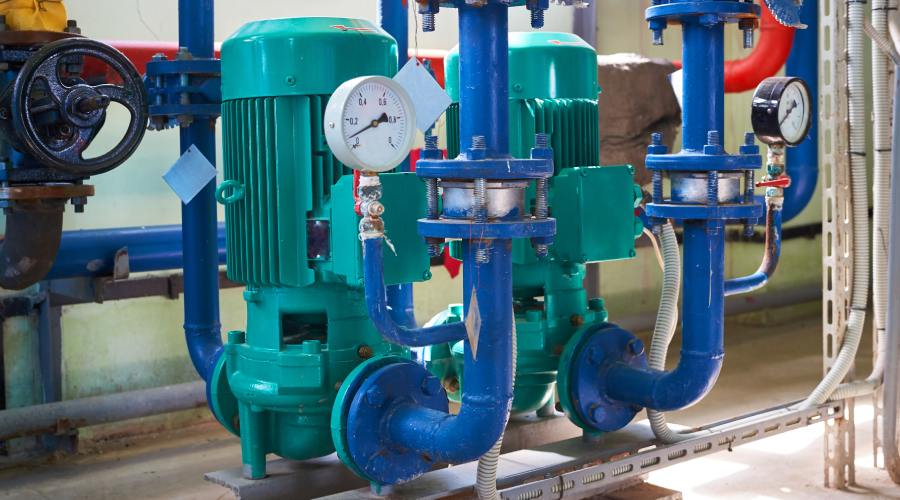

Each pump for irrigation system is chosen based on water source, distance, elevation, and required flow rate.
We engineer layouts that balance pressure, efficiency, and durability for reliable daily operation.
Systems can be paired with a smart irrigation controller in Lancashire to automate schedules and manage water usage precisely.
Our team ensures your water pump system continues operating efficiently as demands evolve.
Pump size depends on the area you’re covering, the water source, pipe run length and how much pressure your system needs at the far end — not just land size alone. We calculate this during the site visit using your actual layout and demand, rather than a rule of thumb, so the pump is neither undersized nor running inefficiently oversized.
Solar-powered pumping suits sites with limited or no grid access — remote fields, satellite sites, or locations where a mains connection isn’t practical. It suits steady, moderate demand well; UK daylight and weather are variable enough that solar alone isn’t right for every application, so some sites are designed as a hybrid, with a mains connection or battery storage covering low-light periods and peak demand, while many others pump to storage and use no battery at all.
Pairing a solar pump with adequate water storage makes the system more resilient — water pumped during good sunlight hours is held in reserve rather than needed on demand. We size the pump, panels and storage together during the site visit, based on your actual water source and usage. See our solar irrigation systems for how we design the whole chain.
Choosing pump size is one decision. Choosing what powers the pump is another, and it often matters more for running reliability, servicing and how far you can automate. Our guides to choosing an irrigation pump and solar powered irrigation cover pump types and solar design in detail. Here we look at what pushes a site towards one power source or another.
Power availability.
Mains power is the simplest and most automatable option where it already reaches the pump. The question is the quality of the supply, not just its presence: a long rural cable run or a single-phase supply can limit the pump you can start, and a soft-start or variable speed drive can ease that. Where connecting mains means long cable runs or network upgrades, solar or engine-driven pumping becomes worth comparing properly.
Head and lift.
Deep water usually points to a submersible pump, while a surface pump is limited in how far it can draw. Because lift and delivery height set the power needed, they also set the size of any solar array or engine.
Flow demand pattern.
A site that waters little and often, or has storage to level out demand, can use a smaller pump running for longer, which suits solar well. A site that needs high flow across many zones at once, such as a busy sprinkler block, needs more power in reserve, which favours mains or engine drive.
Site remoteness.
The further the pump is from your yard, the more it matters how often it needs attention. Fuel deliveries, servicing visits and security all become harder to manage with distance, and unattended pumps need protection against running dry, which can damage a pump quickly.
Automation needs.
Mains pumps are the easiest to start, stop and monitor from a controller. Solar pumps can be automated too, but the controls must cope with variable power. Engine-driven and manual pumps usually need more attendance, though they can be fitted with extra controls where the job justifies it.
Hand, tractor-driven or engine-driven pumps remain useful for occasional jobs, emergency supply, short-term fill-ups, and places where no other power is practical. They need fuel, a person on site and regular attention, so they rarely suit a system you want to run itself. A mains or solar pump with standby provision is often a better foundation for routine irrigation, with an engine kept for backup.
| Pump type | Best suited to | Watch-outs | Works well with |
|---|---|---|---|
| Mains electric | Small polytunnel holdings and mixed glasshouse ranges where power is on site; any system that needs automation | Power cuts stop irrigation, so crop-critical sites need a plan for outages; supply capacity can limit what you can run | Controllers and fertigation; storage tanks; filtration; variable speed drives for varying demand |
| Solar | Remote field sites, troughs, polytunnels on rented or off-grid land, boreholes far from a socket | Output follows the weather and the seasons; needs correct sizing and storage to carry dull spells; panels need securing | Elevated or tank storage; drip irrigation; simple float or timer controls |
| Engine-driven (for example diesel) | Large peak demand away from power; temporary or backup duty | Fuel supply, servicing, noise, theft and emissions; less suited to unattended running | Reservoirs and lagoons; sprinkler and reel systems; standby arrangements alongside mains |
| Manual or mechanical (hand or tractor-driven) | Occasional filling, emergencies, very small or temporary supplies | Labour-intensive; not suited to scheduled or automatic watering | Small tanks and troughs; backup to a main system |
Our smart irrigation control systems are built to support modern irrigation demands, combining performance with automation readiness.
These features help reduce manual oversight, improve consistency, and extend system lifespan.


This solution supports a wide range of agricultural and horticultural environments, including greenhouse and glasshouse irrigation, where dependable water delivery is critical.
Every setup benefits from precise pump selection and professional integration.
Decades of industry experience mean our systems are designed to perform efficiently and reliably under any conditions.
Each system is designed around your irrigation layout, water source, and long-term goals.
We work with automatic water irrigation control system technology to deliver consistent output and reduced maintenance.
From planning to optimisation, we remain involved to ensure lasting system performance.
Looking to improve water delivery and system efficiency? Speak with our team about installing an irrigation water pump system in Lancashire that delivers reliable pressure, smarter control, and dependable long-term results.
Automation does not have to be there from day one. Systems are designed with upgrade capability, so automation components can be added later without replacing pumps or pipework. It is optional, and we recommend it when it adds value, but a system can also run manually depending on your budget and how you prefer to manage it.
When correctly designed, a pump system keeps stable pressure even in high-demand periods, so water reaches every zone without performance drops or strain on components. A smart controller coordinates pump operation with irrigation schedules, preventing unnecessary runtime and maintaining optimal pressure levels. Controllers are configured for simplicity, so staff can manage schedules easily while automated functions handle timing and pressure.
We configure controls on site, test operation thoroughly and train operators, so the system works from day one and stays easy to manage. Our local agricultural knowledge means pumps are designed for actual field conditions rather than generic specifications. See our system designs page for how we plan the wider system.
For the control side, Sitetech supplies DGT by Senmatic irrigation and fertigation controllers as the main UK distributor. See the range on our DGT by Senmatic page.
Solar-powered options can support large farms when correctly sized, provided sunlight availability and storage requirements are considered carefully during planning to ensure consistent output during peak irrigation periods reliably.
With correct sizing, quality components, and basic maintenance, pumps typically deliver reliable service for many years, providing consistent performance across multiple growing seasons without frequent repairs or replacements.
Water source, required flow rate, pipe length and diameter, elevation change across the site, and how many zones run at once all affect which pump suits your system. Getting this wrong means either wasted energy from an oversized pump or poor pressure from an undersized one, we size pumps against your actual site data, not estimates.
Yes, pumps can be linked to a smart irrigation controller so they start, stop and adjust output automatically based on schedules, sensor data or demand from the irrigation zones in use. This reduces manual intervention and energy waste compared with running a pump continuously or on a basic timer.
Automation lets pumps respond to actual system demand rather than running at a fixed rate regardless of need, cycling on for active zones, adjusting pressure, and shutting down when not required. This can reduce energy use and wear, and it’s something we can add to an existing pump setup, not just a new installation.
It depends on how quickly your crop is harmed without water and how quickly you could fix a failure. Crop-critical sites often justify a standby pump or an alternative power source. Any changeover between mains, generator or solar supplies should be designed and wired by a qualified electrician. We can talk through the risk with you during the site visit.