
Related service: Drip irrigation systems
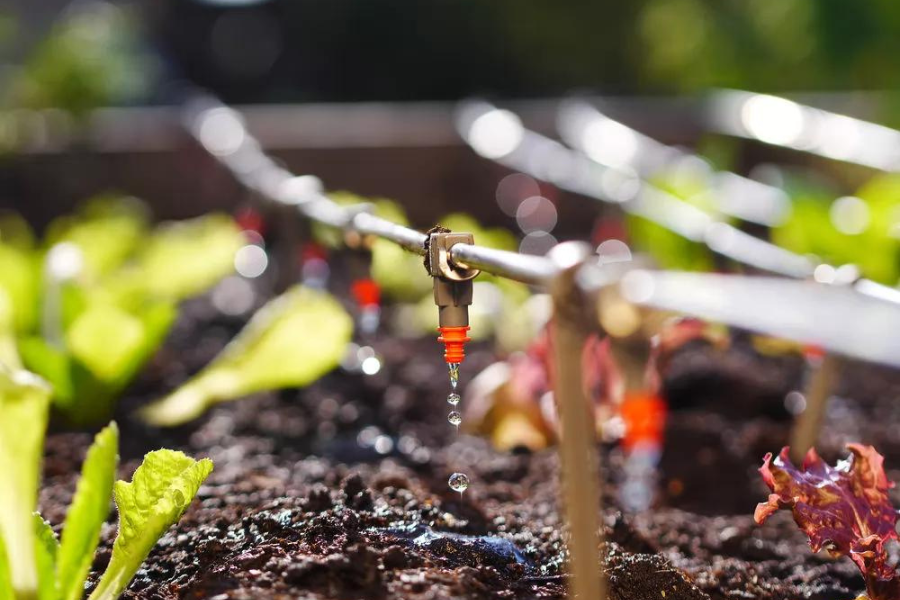
An automated drip irrigation system for agriculture is one of the most efficient water management solutions used in modern farming. It is designed to deliver water directly to the root zone of crops in a controlled and precise manner. This method reduces water wastage and ensures that plants receive consistent moisture levels for healthy growth. In today’s agricultural environment, where efficiency and sustainability are essential, drip irrigation has become a key solution.
Agricultural drip irrigation systems are widely adopted because they help farmers manage water resources more effectively. Instead of flooding fields or relying on uneven distribution, these systems provide targeted watering. This improves crop health and reduces unnecessary water consumption. The technology also supports better nutrient absorption, which contributes to stronger plant development.
Modern farming practices are increasingly focused on sustainability and productivity. Drip irrigation systems align with these goals by offering controlled irrigation that adapts to crop needs. This makes them an essential tool for farms looking to improve both efficiency and long-term output.
How Agricultural Drip Irrigation Systems Work
Agricultural drip irrigation systems function by delivering water slowly and directly to the soil near plant roots. This process is managed through a network of pipes, valves, and emitters that control water flow. The system ensures that each plant receives the correct amount of water without excess or shortage.
A key advantage of this system is its precision. It eliminates water loss caused by evaporation or runoff, which is common in traditional irrigation methods. The controlled delivery of water also helps maintain consistent soil moisture levels, which is essential for crop development.
Key working components include:
- Drip lines and emitters for controlled water delivery
- Pressure regulators to maintain consistent flow
- Filtration systems to prevent clogging
- Timers or controllers for automated operation
These components work together to ensure efficient and reliable irrigation. The system can also be adjusted based on crop type, soil condition, and weather patterns, making it highly adaptable for different farming environments.
Key Benefits of Agricultural Drip Irrigation Systems
Agricultural drip irrigation systems provide several important benefits that directly impact farming efficiency and productivity. One of the most significant advantages is water conservation. By delivering water directly to plant roots, these systems reduce waste and improve overall water usage efficiency.
Another major benefit is improved crop performance. When plants receive consistent moisture, they grow more evenly and develop stronger root systems. This leads to better yields and higher quality produce over time.
A modern irrigation systems company in Lancashire will often recommend drip irrigation because it supports both productivity and sustainability goals. These systems are designed to optimise resources while reducing operational costs.
Additional benefits include:
- Reduced water wastage through targeted irrigation
- Improved soil moisture control for healthier crops
- Lower energy consumption compared to traditional systems
- Enhanced irrigation efficiency across large and small farms
Drip irrigation systems also reduce labour requirements. Once installed, they operate automatically, reducing the need for manual watering and monitoring. This allows farmers to focus on other essential agricultural tasks.
Impact on Crop Yield and Productivity
One of the most important advantages of drip irrigation systems is their impact on crop yield. Consistent and controlled watering ensures that crops receive the right amount of moisture throughout their growth cycle. This reduces stress on plants and promotes healthier development.
Drip systems also improve nutrient absorption. Since water is delivered directly to the root zone, nutrients in the soil are more effectively absorbed by plants. This leads to stronger growth and improved agricultural output.
In addition, drip irrigation reduces the risk of overwatering or underwatering. Both conditions can negatively affect crop health, but precision irrigation ensures balanced moisture levels at all times.
Key productivity benefits include:
- More consistent crop growth patterns
- Improved root development
- Better nutrient uptake efficiency
- Reduced risk of crop damage due to water imbalance
These advantages make drip irrigation a valuable investment for modern agriculture focused on productivity and efficiency.
Water Efficiency and Resource Management
Water efficiency is one of the most critical aspects of modern farming. Agricultural drip irrigation systems are specifically designed to minimise water usage while maximising output. This is achieved through precise water delivery that targets only the areas where it is needed.
A growing focus on smart farming agriculture technology has further enhanced the effectiveness of drip irrigation systems. By combining automation and monitoring tools, farms can optimise water usage and improve resource management.
Drip irrigation helps conserve water by:
- Reducing evaporation losses
- Eliminating surface runoff
- Delivering water directly to roots
- Controlling irrigation timing precisely
These systems are particularly important in regions where water conservation is a priority. They support sustainable farming practices while maintaining high levels of productivity.
Role of Drip Irrigation in Sustainable Farming
Sustainability is a key focus in modern agriculture, and drip irrigation plays a significant role in achieving this goal. By reducing water consumption and improving efficiency, these systems help minimise environmental impact.
Sustainable farming requires careful management of natural resources. Drip irrigation supports this by ensuring that water is used responsibly and efficiently. It also reduces soil erosion caused by excessive watering, helping maintain soil health over time.
A related approach can be seen in developments such as smart farming technology in Lancashire, which focuses on integrating advanced systems into agricultural practices for better sustainability outcomes.
Key sustainability benefits include:
- Lower water consumption
- Reduced environmental impact
- Improved soil preservation
- Long-term resource efficiency
These benefits make drip irrigation an essential part of environmentally responsible farming practices.
Economic Benefits and Return on Investment
Agricultural drip irrigation systems also offer strong economic advantages. Although initial installation may require investment, the long-term savings are significant. Reduced water usage leads to lower utility costs, while automation reduces labour expenses.
These systems also improve crop yield quality, which can enhance overall farm profitability. Better resource management ensures that inputs are used efficiently, reducing waste and improving financial outcomes.
Key economic advantages include:
- Reduced water and energy costs
- Lower labour requirements due to automation
- Improved crop productivity and consistency
- Long-term return on investment
By improving both efficiency and output, drip irrigation systems provide strong financial value for agricultural businesses.
Challenges and Considerations in Drip Irrigation Systems
While drip irrigation systems offer many benefits, they also require proper planning and maintenance. System design is critical to ensure even water distribution and optimal performance. Poor installation can lead to inefficiencies and reduced effectiveness.
Maintenance is another important factor. Emitters and pipes must be checked regularly to prevent clogging and ensure smooth operation. Filtration systems also play a key role in maintaining performance.
Common considerations include:
- Proper system design and layout
- Regular maintenance and cleaning
- Monitoring for blockages or leaks
- Ensuring correct water pressure levels
These factors must be managed carefully to ensure long-term system efficiency and reliability.
Getting Professional Irrigation Support
Working with experienced irrigation professionals ensures that systems are designed and installed correctly. Expert guidance helps farmers choose the most suitable solution for their land and crop requirements.
For tailored irrigation solutions, you can contact Sitetech Irrigation Ltd to discuss your project needs. Professional support ensures that systems are optimised for both efficiency and long-term performance.

Conclusion
Agricultural drip irrigation systems are an essential solution for modern farming due to their efficiency, precision, and sustainability benefits. They improve water usage, enhance crop productivity, and support long-term environmental goals.
By delivering water directly to plant roots, these systems reduce waste and improve overall agricultural performance. They also provide economic benefits through reduced operational costs and improved yields.
As farming continues to evolve, drip irrigation will remain a key technology in supporting sustainable and productive agriculture across the UK.
FAQs
1. What is an agricultural drip irrigation system?
It is a water delivery system that supplies water directly to plant roots in a controlled and efficient manner.
2. How does drip irrigation improve water efficiency?
It reduces water waste by targeting only the root zone and preventing evaporation and runoff.
3. What are the main benefits of drip irrigation systems?
They improve crop yield, reduce water usage, and enhance soil moisture control.
4. Is drip irrigation suitable for all types of farms?
Yes, it can be adapted for different farm sizes and crop types depending on system design.
5. Why is maintenance important in drip irrigation systems?
Regular maintenance ensures proper water flow, prevents clogging, and maintains system efficiency.